From 1830, many monastic communities were able to reacquire their possessions in the city, which they had lost after the French Revolution. These properties had primarily been used to accommodate the great demand for space for the flourishing textile factories and other industries in the city.
As a result, the industrialists had to move their businesses to the outskirts of the city. This coincided with the construction of the large hydraulic engineering works during the construction of the Ghent-Terneuzen Canal and the Handelsdok.
The surroundings of the Brugse Vaart, the Lieve, and the Handelsdok attracted many new or relocating factories to the northern edge of the city, such as the cotton factories "Voortman and de Hemptinne," "La Linière Gantoise"; at the Vogelenzang, "NV Florida"; at Molenaarsstraat, and the metal construction company "De Phoenix" (currently Phoenixstraat).
 | | Öffentlich | Deutsch • Dänisch • Französisch • Italienisch • Niederländisch • Spanisch
Adresse: Gent,Sint-Kruis-Winkel, Oost-Vlaanderen, Belgien
Statistiken
Wählen Sie eine der beliebtesten Aktivitäten unten aus oder verfeinern Sie Ihre Suche.
Entdecken Sie die schönsten und beliebtesten Routen in der Gegend, sorgfältig gebündelt in einer passenden Auswahl.
Datenquelle: Flickr
Urheberrechte: Creative Commons CC BY 2.0
Wählen Sie eine der unten aufgeführten beliebtesten Kategorien oder lassen Sie sich von unserer Auswahl inspirieren.
Entdecken Sie die schönsten und beliebtesten Sehenswürdigkeiten der Gegend, sorgfältig gebündelt in einer entsprechenden Auswahl.
Datenquelle: Flickr
Urheberrechte: Creative Commons CC BY 2.0
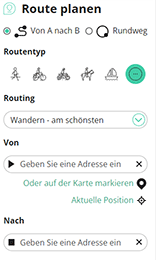
Mit RouteYou kannst du ganz einfach eigene Karten erstellen. Plane deine Route, füge Wegpunkte oder Knotenpunkte hinzu, plane Sehenswürdigkeiten und Einkehrmöglichkeiten ein und teile alles mit Familie und Freunden.
Routenplaner
<iframe src="https://plugin.routeyou.com/poiviewer/free/?language=de&params.poi.id=1668&params.language=en" width="100%" height="600" frameborder="0" allowfullscreen></iframe>

Mehr als 11.800.000 Routen

Mehr als 15.000.000 Benutzer

Mehr als 4.500.000 Sehenswürdigkeiten

Kerkstraat 108
9050 Gentbrugge,Belgien
© 2006-2026 RouteYou - www.routeyou.com