El museo exhibe cuatro cronómetros marinos desarrollados por John Harrison. Estos se utilizaron para calcular la longitud mientras se viajaba por el mar. Comparar la hora local con la hora en el cronómetro y la hora de 'casa' o un punto de referencia, permitió a los viajeros calcular la longitud en la Tierra.
Hasta 1760, no había relojes precisos que pudieran viajar por mar. En 1707, una gran parte de la flota inglesa fue naufragada en un arrecife. Esto desencadenó la preocupación del Almirantazgo. Prometieron una recompensa de £ 20,000 por un cronómetro más fiable. En 1736, el desconocido relojero John Harrison creó el Timekeeper No. 1. El reloj medía aproximadamente un metro de alto y pesaba 36 kg. El Almirantazgo encontró que el monstruo era demasiado grande y torpe. Así que el brillante Harrison construyó uno nuevo en 1760.
Once años más tarde, el cronómetro fue probado en el mar y Harrison recibió las prometidas £ 20,000.
 | | Pública | Alemán • Danés • Francés • Inglés • Italiano • Neerlandés
Dirección: Greenwich, Reino Unido
Estadísticas
Selecciona una de las actividades más populares a continuación o afina tu búsqueda
Descubre las rutas más bonitas y populares de la zona, cuidadosamente agrupadas y seleccionadas.
Fuente: A.B. Clayton
Selecciona una de las categorías más populares a continuación o inspírate en nuestras selecciones
Descubre los lugares de interés más bonitos y populares de la zona, cuidadosamente agrupados y selecciondos.
Fuente: A.B. Clayton
Con RouteYou, es fácil crear tus propios mapas personalizados. Simplemente traza tu ruta, agrega puntos de ruta o nodos, agrega lugares de interés, lugares para comer y beber, y luego compártelo fácilmente con tu familia y amigos.
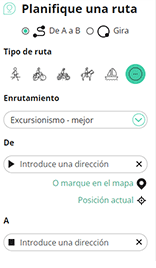
Planificador de rutas
<iframe src="https://plugin.routeyou.com/poiviewer/free/?language=es&params.poi.id=669956" width="100%" height="600" frameborder="0" allowfullscreen></iframe>

Más de 11.800.000 rutas

Más de 15.000.000 usuarios

Más de 4.500.000 lugares de interés

Kerkstraat 108
9050 Gentbrugge, Bélgica
© 2006-2026 RouteYou - www.routeyou.com