Son nom historique est Ostseestadion soit en français « Stade de la Mer Baltique », il a changé de nom le 2 juillet 2007 à la suite d'un accord entre son club résident, le FC Hansa Rostock et un sponsor.
Le stade a une capacité maximale de 29 000 places entièrement couvertes avec 20 000 places assises, 1 000 places dans les loges et 9 000 places debout pouvant être converties en 5 000 places assises lors de rencontres internationales.
A partir de février 2000, le stade fut construit sur l'emplacement de l'ancien stade, en 16 mois de temps émergea un stade réservé au football. Le premier match se joue le 4 août 2001 devant 25 100 spectateurs contre le Bayer Leverkusen .
Source: Wikipedia.org
Droits d'auteur: Creative Commons 3.0
 | | Public | Italien • allemand • anglais • danois • espagnol • néerlandais
Adresse: Rostock, Allemagne
Statistiques
Sélectionnez l'une des activités les plus populaires ci-dessous ou affinez votre recherche
Découvrez les plus beaux et les plus populaires itinéraires du secteur, soigneusement regroupés dans des sélections appropriées.
Source: Wdwdbot
Droits d'auteur: Creative Commons CC BY-SA 3.0 de
Sélectionnez l'une des catégories les plus populaires ci-dessous ou inspirez-vous de nos sélections
Découvrez les plus beaux et les plus populaires points d'intérêt du secteur, soigneusement regroupés dans des sélections appropriées.
Source: Wdwdbot
Droits d'auteur: Creative Commons CC BY-SA 3.0 de
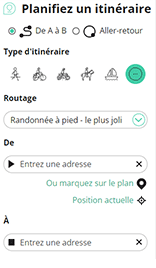
Avec RouteYou, vous pouvez facilement créer vos propres cartes personnalisées. Tracez votre itinéraire, ajoutez des points de passage ou des points-nœuds, planifiez des points d'intérêt et des lieux de restauration, et partagez le tout avec votre famille et vos amis.
Planificateur d'itinéraire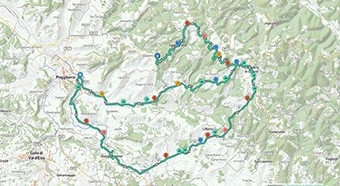
<iframe src="https://plugin.routeyou.com/poiviewer/free/?language=fr&params.poi.id=1703446" width="100%" height="600" frameborder="0" allowfullscreen></iframe>

Plus de 11 800 000 itinéraires

Plus de 15 000 000 d'utilisateurs

Plus de 4 500 000 points d'intérêts

Kerkstraat 108
9050 Gentbrugge, Belgique
© 2006-2026 RouteYou - www.routeyou.com