Nakhon Pathom is a city in central Thailand, the former capital of Nakhon Pathom Province. One of the most important landmarks is the large Phra Pathom Chedi, a 127 m stupa, which marks the approximate location of the region's first exposure to Buddhism and Indian civilisations. The city is also home to Thailand's only Bhikkhuni temple Wat Song Thamma Kanlayani, which is also open to women from abroad. Nakhon Pathom houses a campus of Silpakorn University within the former Sanam Chan Palace.
Nakhon Pathom was formerly by the sea but the shifting coastline now places it about 50 km inland. Archaeological findings date back to the 4th century and the first mention of a stupa was in the year 675 CE.
The name derives from the Pali words Nagara Pathama, meaning 'first city', and Nakhon Pathom is often referred to as Thailand's oldest city. Archaeological remains have been linked to the Dvaravati kingdom, dating to the 6th through 11th centuries.
Nakhon Pathom Province centuries ago was a coastal city on the route between China and India; due to sedimentation from the Chao Phraya River, the coastline moved much farther to sea. When the Tha Chin River changed its course, the city lost its main water source and thus was for hundreds of years deserted, the population moving to a city called Nakhon Chai Si
Dvaravati era (6-11th centuries)
According to Charles Higham, "Two silver medallions from beneath a sanctuary at Nakhon Pathom, the largest of the moated sites, proclaim that it was 'the meritorious work of the King of Sri Dvaravati', the Sanskrit term Dvaravati meaning 'that which has gates'. The script is in south Indian characters of the seventh century." Nakhon Pathom was the largest Dvaravati center.
Khmer era (11-13th centuries)
While Nakhon Pathom was a prosperous city during the pre-Angkorian Dvaravati period; it was the Angkorian Empire that left a greater mark in the 11th century. However, the shifting landscape and the altering of the river course caused a drought that led to the abandonment of Nakhon Pathom in favour of the new riverside settlement of Nakhon Chaisi. The ruins of the Angkorian stupa inspired King Rama IV to build the current large stupa, which was completed in 1870 in the reign of King Chulalongkorn. He also commanded that the Chedi Bucha canal be dug to facilitate transport. [Multiple Internet sources]
Datenquelle: Ayutthaya Historical Research
 | | Öffentlich

Wählen Sie eine der beliebtesten Aktivitäten unten aus oder verfeinern Sie Ihre Suche.
Entdecken Sie die schönsten und beliebtesten Routen in der Gegend, sorgfältig gebündelt in einer passenden Auswahl.
Datenquelle: Ayutthaya Historical Research
Wählen Sie eine der unten aufgeführten beliebtesten Kategorien oder lassen Sie sich von unserer Auswahl inspirieren.
Entdecken Sie die schönsten und beliebtesten Sehenswürdigkeiten der Gegend, sorgfältig gebündelt in einer entsprechenden Auswahl.
Datenquelle: Ayutthaya Historical Research
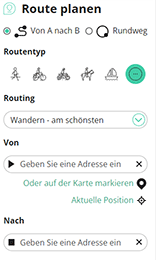
Mit RouteYou kannst du ganz einfach eigene Karten erstellen. Plane deine Route, füge Wegpunkte oder Knotenpunkte hinzu, plane Sehenswürdigkeiten und Einkehrmöglichkeiten ein und teile alles mit Familie und Freunden.
Routenplaner
<iframe src="https://plugin.routeyou.com/poiviewer/free/?language=de&params.poi.id=7498707&params.language=en" width="100%" height="600" frameborder="0" allowfullscreen></iframe>

Mehr als 10.100.000 Routen

Mehr als 15.000.000 Benutzer

Mehr als 4.500.000 Sehenswürdigkeiten

Kerkstraat 108
9050 Gentbrugge,Belgien
Kontaktieren Sie unser Kundendienstteam oder besuchen Sie unser Hilfezentrum.
© 2006-2025 RouteYou - www.routeyou.com