As an example, but certainly also as a manifestation of its power and wealth, the city built its public buildings in stone in the 13th century. And it did so with ambition: the Ypres cloth hall and belfry are among the most impressive civic buildings in Europe in the 13th century! Construction began around 1200. First, the belfry was built and completed in 1230. Then came the halls that served as a covered marketplace. We know that the enormous structure was not fully completed until 1304. The complex of the cloth hall is 132 meters long (south side), with a built area of approximately 2,500 m² and comprises 48 doors. The Cloth Hall served as a covered sales and storage place for cloth at the (now vaulted) waterway, the Ieperlee. The construction of the halls was completed in 1304. In this building, the cloth underwent its last official check, after which the cloth merchants could finally stack and sell it. During World War I, the building was completely destroyed, except for a piece of the tower and a few walls. Above the 'Donkerpoort', under the coat of arms, the statue of Our Lady of Thuyne, patroness of the city, is displayed. The first floor of the Cloth Hall can be visited via the In Flanders Fields Museum.
The Cloth Halls of Ypres (Lakenhalle of Ypres in Dutch) are one of the largest Gothic civil buildings in Europe. The original building was constructed between 1200 and 1304. The belfry, standing at a height of 70 meters, dominates the Grand Place in Ypres, Belgium. The cloth halls were used as a trading place for the cloth industry. In each door opening on the ground floor, cloth was sold. The city of Ypres was renowned in the Middle Ages for its quality cloth. The building was completely destroyed during World War I and rebuilt after the conflict. The architects, including Jules Coomans, opted for a faithful reconstruction of the building based on surveys conducted before and during the war. The current halls are therefore a replica of the medieval building. The original stones are still visible at the base of the halls; these are the largest. The higher one goes, the smaller the stones become. The reconstruction work was completed in 1967. The largest part of the building houses the In Flanders Fields Museum dedicated to World War I.
 | | Pública | Alemán • Danés • Español • Francés • Italiano • Neerlandés
Dirección: Ieper
Estadísticas
Selecciona una de las actividades más populares a continuación o afina tu búsqueda
Descubre las rutas más bonitas y populares de la zona, cuidadosamente agrupadas y seleccionadas.
Selecciona una de las categorías más populares a continuación o inspírate en nuestras selecciones
Descubre los lugares de interés más bonitos y populares de la zona, cuidadosamente agrupados y selecciondos.
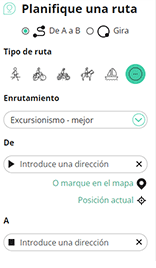
Con RouteYou, es fácil crear tus propios mapas personalizados. Simplemente traza tu ruta, agrega puntos de ruta o nodos, agrega lugares de interés, lugares para comer y beber, y luego compártelo fácilmente con tu familia y amigos.
Planificador de rutas
<iframe src="https://plugin.routeyou.com/poiviewer/free/?language=es&params.poi.id=2162064&params.language=en" width="100%" height="600" frameborder="0" allowfullscreen></iframe>

Más de 10.100.000 rutas

Más de 15.000.000 usuarios

Más de 4.500.000 lugares de interés

Kerkstraat 108
9050 Gentbrugge, Bélgica
Contacte con nuestro equipo de atención al cliente o visite nuestro centro de ayuda.
© 2006-2026 RouteYou - www.routeyou.com