Font: Photo reuse
The current landscape of the Donkmeer was mainly formed in the 18th and 19th centuries by peat formation. For centuries, nature had caused peat formation in the soil of this former flood area of the Scheldt. When peat extraction stopped, the formed wells gradually filled up with water and the Berlaars and Overmeers Broek were created. The Berlaars Broek was first emptied in 1862 and again after the First World War to allow afforestation with wine for basket weaving. The Overmeers Broek, on the other hand, was never drained and grew into the contemporary Donkmeer, a tourist attraction for water lovers, but also for cyclists, hikers and lovers of good food. The current Donkmeer is largely located on the territory of the borough of Uitbergen.
Font: Lannoo
 Azure
Azure | | Pública | Alemany • Danès • Espanyol • Francès • Italià • Neerlandès

Seleccioneu una de les activitats més populars a continuació o perfeccioneu la cerca.
Descobriu les rutes més boniques i conegudes de la zona, acuradament agrupades en seleccions adequades.
Font: Photo reuse
Seleccioneu una de les categories més populars a continuació o inspira't en les nostres seleccions.
Descobriu els llocs d'interès més bonics i coneguts de la zona, acuradament agrupats en seleccions adequades.
Font: Photo reuse
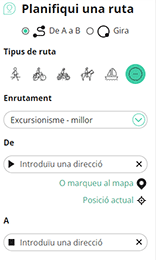
Amb RouteYou pots crear mapes personalitzats molt fàcilment. Defineix la teva ruta, afegeix waypoints o interseccions, planifica parades a punts d'interès o a establiments per menjar i beure i comparteix-ho tot amb els amics i la família.
Planificador de rutes
<iframe src="https://plugin.routeyou.com/poiviewer/free/?language=ca&params.poi.id=3850949&params.language=en" width="100%" height="600" frameborder="0" allowfullscreen></iframe>

Més de 11.800.000 rutes

Més de 15.000.000 usuaris

Més de 4.500.000 llocs d'interès

Kerkstraat 108
9050 Gentbrugge, Bèlgica
© 2006-2026 RouteYou - www.routeyou.com