In the second half of the 19th century, industrialization and a population explosion made Ghent city centre overpopulated, unhygienic and unhealthy. This neighbourhood alone was home to some 3,000 textile workers. Working-class
areas were rife with diseases like cholera, typhus and smallpox. The city council stepped in. Polluted canals and waterways were vaulted over or filled in. Stinking factories and squalid tenements known as ‘beluikhuisjes’ made way for
wide avenues and elegant mansions. The bourgeoisie took over the city. After this wave of redevelopment, many working-class people settled near the new factories in the north, east and west of the city.
On this site a new boulevard was constructed, connecting the Zuidstation and the city centre.
Fuente: Museum of Industry
 | | Pública | Alemán • Danés • Español • Francés • Italiano • Neerlandés

Selecciona una de las actividades más populares a continuación o afina tu búsqueda
Descubre las rutas más bonitas y populares de la zona, cuidadosamente agrupadas y seleccionadas.
Fuente: Michielverbeek
Derechos de autor: Creative Commons 4.0
Selecciona una de las categorías más populares a continuación o inspírate en nuestras selecciones
Descubre los lugares de interés más bonitos y populares de la zona, cuidadosamente agrupados y selecciondos.
Fuente: Michielverbeek
Derechos de autor: Creative Commons 4.0
Con RouteYou, es fácil crear tus propios mapas personalizados. Simplemente traza tu ruta, agrega puntos de ruta o nodos, agrega lugares de interés, lugares para comer y beber, y luego compártelo fácilmente con tu familia y amigos.
Planificador de rutas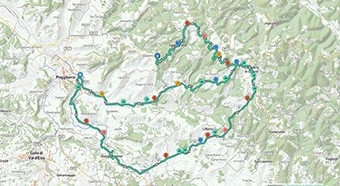
<iframe src="https://plugin.routeyou.com/poiviewer/free/?language=es&params.poi.id=8191724&params.language=en" width="100%" height="600" frameborder="0" allowfullscreen></iframe>

Más de 10.100.000 rutas

Más de 15.000.000 usuarios

Más de 4.500.000 lugares de interés

Kerkstraat 108
9050 Gentbrugge, Bélgica
Contacte con nuestro equipo de atención al cliente o visite nuestro centro de ayuda.
© 2006-2026 RouteYou - www.routeyou.com