Le Fossé is a lowland stronghold situated in the heart of a wetland area. It is a group of buildings surrounded by a watery ditch. It is entered through a 15th century gateway. Inside the courtyard, surrounded by an enclosing wall pierced with loopholes, stands a typically Renaissance dwelling. The whole complex is a listed building.
On the ground floor of the main building there is a small oratory with a vaulted ceiling in two bays and a kitchen with a basket-handle vault falling on a central pillar. The buildings are mentioned for the first time in the chronicle of Bèze. A major change in the appearance of the buildings occurred during the Wars of Religion. In 1591, Pierre d'Anglure, Lord of Guyonvelle, a member of the League, laid siege to and ruined this "pernicious and dangerous" house because of its proximity to the Dijon/Langres axis.
During the Revolution, the property was bought as national property by Charles François Dupuis, member of the Convention and author of L'Origine de tous les Cultes. He had been in great danger during the Terror and Le Fossé was a refuge for him. He presided over the National Assembly at the time of the Concordat. He died in Le Fossé in 1809, his grave, classified as a historical monument, is in the cemetery of Echevannes.
____________________________________________________________________________________________________________________________________________
Le Fossé is a lowland stronghold situated in the heart of a wetland area. It is presented as a group of buildings surrounded by watery ditches. You enter through a 15th century gateway. Inside the courtyard, surrounded by an enclosing wall pierced with loopholes, stands a typically Renaissance-style dwelling. The whole complex is a listed building.
On the ground floor of the main building there is a small oratory with a vaulted ceiling in two bays as well as a kitchen with a basket-handle vault falling on a central pillar. The buildings are mentioned for the first time in the chronicle of Bèze. A major change in the appearance of the buildings occurred during the Wars of Religion. In 1591, Pierre d'Anglure, Lord of Guyonvelle, a member of the League, laid siege to and ruined this "pernicious and dangerous" house because of its proximity to the Dijon/Langres axis.
During the Revolution, the property was bought as national property by Charles François Dupuis, member of the Convention and author of L'Origine de tous les Cultes. He had been in great danger during the Terror and Le Fossé was a refuge for him. He presided over the National Assembly at the time of the Concordat. He died in Le Fossé in 1809, his grave, classified as a historical monument, is in Echevannes's cemetery .
Risorsa: La Côte-d'Or J'adore
 | | Pubblica | Francese • Italiano • Olandese • Spagnolo • Tedesco
Indirizzo: Le Fossé, Échevannes
Statistiche
Seleziona una delle attività più popolari qui sotto oppure affina la ricerca.
Scopri gli itinerari più belli e popolari della zona, accuratamente raggruppati in apposite selezioni.
Seleziona una delle categorie più popolari qui sotto o lasciati ispirare dalla nostra selezione.
Scopri i luoghi di interesse più belli e popolari della zona, accuratamente raggruppati in apposite selezioni.
Con RouteYou puoi creare facilmente mappe personalizzate. Traccia il tuo itinerario, aggiungi waypoint o nodi, luoghi di interesse e di ristoro, e condividi le mappe con la tua famiglia e i tuoi amici.
Pianificatore di itinerari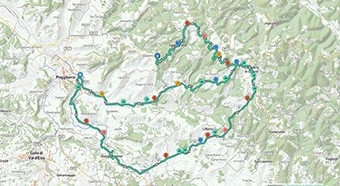
<iframe src="https://plugin.routeyou.com/poiviewer/free/?language=it&params.poi.id=8809636&params.language=en" width="100%" height="600" frameborder="0" allowfullscreen></iframe>

Più di 11.800.000 itinerari

Più di 15.000.000 utenti

Più di 4.500.000 luoghi d'interesse

Kerkstraat 108
9050 Gentbrugge, Belgio
Contatta il nostro team di assistenza clienti o visita il nostro centro assistenza.
© 2006-2026 RouteYou - www.routeyou.com