La duna di sabbia si formò quando le grandi brughiere, a causa del pascolo eccessivo, delle plaghe troppo frequenti e degli incendi, avevano così poca copertura vegetale che venivano calpestate dalle zampe delle pecore. Dove la sabbia si è esposta e il vento ha preso piede, la sabbia ha iniziato a soffiare.
Le piante di brughiera che venivano coperte morivano e non potevano più trattenere il loro sottosuolo. Così, nel tempo, si sono formati grandi deserti nella Veluwe. Si è combattuto contro questo in vari modi. Tuttavia, la maggior parte dei metodi non fu efficace. Solo alla fine del 1900 lo Staatsbosbeheer intervenne e rese possibile piantare in gran parte le distese sabbiose con pini silvestri.
Questa è una specie di albero che a volte cresce su un terreno sabbioso povero. Successivamente, si è anche compreso che una duna di sabbia può essere un affascinante monumento naturale. È un habitat per piante e animali molto particolari.
Risorsa: Hulshorsterzand
 | | Pubblica | Danese • Francese • Inglese • Olandese • Spagnolo • Tedesco

Seleziona una delle attività più popolari qui sotto oppure affina la ricerca.
Scopri gli itinerari più belli e popolari della zona, accuratamente raggruppati in apposite selezioni.
Seleziona una delle categorie più popolari qui sotto o lasciati ispirare dalla nostra selezione.
Scopri i luoghi di interesse più belli e popolari della zona, accuratamente raggruppati in apposite selezioni.
Con RouteYou puoi creare facilmente mappe personalizzate. Traccia il tuo itinerario, aggiungi waypoint o nodi, luoghi di interesse e di ristoro, e condividi le mappe con la tua famiglia e i tuoi amici.
Pianificatore di itinerari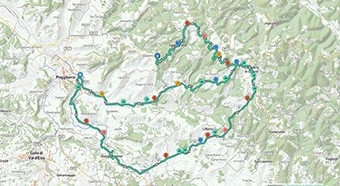
<iframe src="https://plugin.routeyou.com/poiviewer/free/?language=it&params.poi.id=7482694" width="100%" height="600" frameborder="0" allowfullscreen></iframe>

Più di 11.800.000 itinerari

Più di 15.000.000 utenti

Più di 4.500.000 luoghi d'interesse

Kerkstraat 108
9050 Gentbrugge, Belgio
© 2006-2026 RouteYou - www.routeyou.com