The city of Dordrecht originated on the river Thure in the middle of peat bogs. The Thure was a tributary of the River Dubbel and ran approximately at the level of the current Bagijnhof. The original name of Dordrecht is Thuredrith. This means "ford in the river Thure".
Dordrecht received city rights in 1220 from the Dutch count William I. Due to its strategic location and the acquisition of stacking rights in 1299, the city developed into an important stacking place. Dordrecht mainly traded wine, wood and grain.
In 1572 the First Free State Assembly met in Dordrecht. Representatives of all Dutch cities recognized Stadtholder William I, Prince of Orange, and supported the revolt against the Spaniards.
In 1618-1619, the Synod of Dordrecht took place in Dordrecht, stronghold of the Reformation, in which the remonstrants faced the counter-protesters and where the decision was made to translate the Bible that would produce the Statenbijbel in 1637, the first translation into the Dutch language.
During the First Stadtholderless Era (1650-1672), Johan de Witt, son of Mr. Jacob de Witt, put forward as grand pensionary. Under his leadership, peace was made with England in 1654, incorporating the Act of Seclusion. This deed was intended to prevent William II's son from becoming stadtholder. On 20 August 1672, however, Johan and his brother Cornelis de Witt were lynched in The Hague. William III, suspected of the plot, became stadtholder that same year.
Within Holland, Dordrecht was surpassed by Rotterdam from the 18th century onwards.
 Azure
Azure | | Öffentlich | Niederländisch

Wählen Sie eine der beliebtesten Aktivitäten unten aus oder verfeinern Sie Ihre Suche.
Entdecken Sie die schönsten und beliebtesten Routen in der Gegend, sorgfältig gebündelt in einer passenden Auswahl.
Datenquelle: http://nl.wikipedia.org/wik...
Wählen Sie eine der unten aufgeführten beliebtesten Kategorien oder lassen Sie sich von unserer Auswahl inspirieren.
Entdecken Sie die schönsten und beliebtesten Sehenswürdigkeiten der Gegend, sorgfältig gebündelt in einer entsprechenden Auswahl.
Datenquelle: http://nl.wikipedia.org/wik...
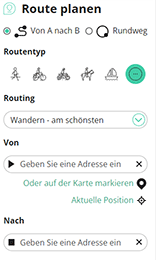
Mit RouteYou kannst du ganz einfach eigene Karten erstellen. Plane deine Route, füge Wegpunkte oder Knotenpunkte hinzu, plane Sehenswürdigkeiten und Einkehrmöglichkeiten ein und teile alles mit Familie und Freunden.
Routenplaner
<iframe src="https://plugin.routeyou.com/poiviewer/free/?language=de&params.poi.id=4775926&params.language=en" width="100%" height="600" frameborder="0" allowfullscreen></iframe>

Mehr als 10.100.000 Routen

Mehr als 15.000.000 Benutzer

Mehr als 4.500.000 Sehenswürdigkeiten

Kerkstraat 108
9050 Gentbrugge,Belgien
Kontaktieren Sie unser Kundendienstteam oder besuchen Sie unser Hilfezentrum.
© 2006-2025 RouteYou - www.routeyou.com