Datenquelle: Jan Rymenams


Encircled by a graveyard, the tower and front part of the nave of this beautiful Romanesque church in local stone dates from the 11th century.
It was enlarged in the 19th century with two aisles and a choir with three angled sections.
On the outside it is the massive tower that attracts attention. This was originally built for defensive purposes, as the small openings in the walls show from where projectiles could be fired on to attackers.
Inside there are some noteworthy items: a 16th century Gothic Pieta, A polychrome statue in wood of Saint Firmin(17th century),A panel from the ancient pulpit now integrated into the present altar( (18th century),the funeral flagstones of Jean de Namur (died 1569) and of F de Ronvau (died 1603).J William made the baptismal fonts in 1963.
Both the church and graveyard were classified in 1976.
Urheberrechte: All rights reserved
 | | Öffentlich | Deutsch • Dänisch • Französisch • Italienisch • Niederländisch • Spanisch

Wählen Sie eine der beliebtesten Aktivitäten unten aus oder verfeinern Sie Ihre Suche.
Entdecken Sie die schönsten und beliebtesten Routen in der Gegend, sorgfältig gebündelt in einer passenden Auswahl.
Datenquelle: Jan Rymenams
Wählen Sie eine der unten aufgeführten beliebtesten Kategorien oder lassen Sie sich von unserer Auswahl inspirieren.
Entdecken Sie die schönsten und beliebtesten Sehenswürdigkeiten der Gegend, sorgfältig gebündelt in einer entsprechenden Auswahl.
Datenquelle: Jan Rymenams
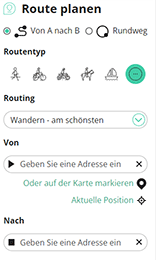
Mit RouteYou kannst du ganz einfach eigene Karten erstellen. Plane deine Route, füge Wegpunkte oder Knotenpunkte hinzu, plane Sehenswürdigkeiten und Einkehrmöglichkeiten ein und teile alles mit Familie und Freunden.
Routenplaner
<iframe src="https://plugin.routeyou.com/poiviewer/free/?language=de&params.poi.id=993736&params.language=en" width="100%" height="600" frameborder="0" allowfullscreen></iframe>

Mehr als 11.800.000 Routen

Mehr als 15.000.000 Benutzer

Mehr als 4.500.000 Sehenswürdigkeiten

Kerkstraat 108
9050 Gentbrugge,Belgien
© 2006-2026 RouteYou - www.routeyou.com