The museum displays four by John Harrison developed marine chronometers. These were used to calculate the longitude while travelling over the sea. Comparing the local time with the time on the chronometer with the time from 'home' or a reference point, allowed the travellers to calcaulted the longitude on Earth.
Until 1760, there were no accurate clocks who could travel over sea. In 1707, a large part of the English fleet had been wrecked on a reef. This triggered the Admiralty. They promissed a reward of £ 20,000 for a more reliable chronometer. In 1736, the unknown watchmaker John Harrison created Timekeeper No. 1. The clock was about one meter high and weighed 36 kg. The Admiralty found the monster too big and clumsy. So the brilliant Harrison built in 1760 a new one.
Eleven years later the chronometer was proven at sea and Harrison received the promised £ 20,000.
 | | Pública | Alemán • Francés • Neerlandés
Dirección: Greenwich, Reino Unido
Estadísticas
Selecciona una de las actividades más populares a continuación o afina tu búsqueda
Descubre las rutas más bonitas y populares de la zona, cuidadosamente agrupadas y seleccionadas.
Fuente: A.B. Clayton
Selecciona una de las categorías más populares a continuación o inspírate en nuestras selecciones
Descubre los lugares de interés más bonitos y populares de la zona, cuidadosamente agrupados y selecciondos.
Fuente: A.B. Clayton
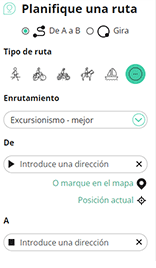
Con RouteYou, es fácil crear tus propios mapas personalizados. Simplemente traza tu ruta, agrega puntos de ruta o nodos, agrega lugares de interés, lugares para comer y beber, y luego compártelo fácilmente con tu familia y amigos.
Planificador de rutas
<iframe src="https://plugin.routeyou.com/poiviewer/free/?language=es&params.poi.id=669956&params.language=en" width="100%" height="600" frameborder="0" allowfullscreen></iframe>

Más de 10.100.000 rutas

Más de 15.000.000 usuarios

Más de 4.500.000 lugares de interés

Kerkstraat 108
9050 Gentbrugge, Bélgica
Contacte con nuestro equipo de atención al cliente o visite nuestro centro de ayuda.
© 2006-2025 RouteYou - www.routeyou.com