The ground around the Elbe river in Magdeburg is soft, and it is difficult to construct tall buildings, except for one large rock. Hence the cathedral was constructed on top of this rock, called the Domfelsen in German, which means Cathedral Rock. At low water levels, this rock is visible in the Elbe. As in old times low water meant a small harvest, this rock is also called Hungerfelsen, meaning starvation rock. In any case, the rock was not big enough for the cathedral, and on the west end only the north tower could be placed on a solid rock foundation, whereas the south tower stands on soft ground. To reduce weight the south tower is therefore only an empty shell with no interior or stairs, and the three big bells, "Susanne" (e), "Apostolica" (b♭) and "Dominica" (b), are in the north tower with a solid rock foundation. However, the south tower is slightly higher than the north tower, which is optically corrected by adding an ornamental cross on the north tower.
Risorsa: Wikipedia
 | | Pubblica | Danese • Francese • Italiano • Olandese • Spagnolo • Tedesco

Seleziona una delle attività più popolari qui sotto oppure affina la ricerca.
Scopri gli itinerari più belli e popolari della zona, accuratamente raggruppati in apposite selezioni.
Risorsa: Ajepbah
Seleziona una delle categorie più popolari qui sotto o lasciati ispirare dalla nostra selezione.
Scopri i luoghi di interesse più belli e popolari della zona, accuratamente raggruppati in apposite selezioni.
Risorsa: Ajepbah
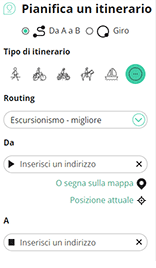
Con RouteYou puoi creare facilmente mappe personalizzate. Traccia il tuo itinerario, aggiungi waypoint o nodi, luoghi di interesse e di ristoro, e condividi le mappe con la tua famiglia e i tuoi amici.
Pianificatore di itinerari
<iframe src="https://plugin.routeyou.com/poiviewer/free/?language=it&params.poi.id=3233398&params.language=en" width="100%" height="600" frameborder="0" allowfullscreen></iframe>

Più di 10.100.000 itinerari

Più di 15.000.000 utenti

Più di 4.500.000 luoghi d'interesse

Kerkstraat 108
9050 Gentbrugge, Belgio
Contatta il nostro team di assistenza clienti o visita il nostro centro assistenza.
© 2006-2026 RouteYou - www.routeyou.com