The abbey was founded in the 13th century and was initially located on the banks of the Durme. Despite the devastation and difficulties during the Wars of Religion(2), the abbey continued to exist until the French domination(8) brutally put an end to it. All possessions were seized and destroyed. But the sisters managed to reunite.
Since 1975 they have been located in the impressive monastery on the Oudeheerweg-Heide, designed by the Benedictine Hans Van der Laan. At the abbey there is a fascinating museum that tells the turbulent past of this courageous and powerful community.
Oudeheerweg-Heide 3 9250 Waasmunster
Abbey:
Daily: 07h-17h30
Museum:
Feb. to Oct.: Sunday from 2.30 pm to 4.30 pm.
Possibility to visit abbey same hours.
(closed on church holidays)
Wars of Religion (2)
The religious wars during the second half of the 16th and the first half of the 17th century are also known as the Eighty Years' War. It was a war in which the population was directly opposed to the Catholic rulers. They were thoroughly fed up with the abuses, not only of the Church but of all the traditional rulers. They pinned their hopes on Protestantism, which denounced the wrongdoing within the Church. The anger came to a head with the Iconoclasm that swept through the Netherlands in 1566. The churches were stormed and a huge amount of church treasures were lost. Eventually, the Protestants moved north and the Netherlands were split into two areas, the northern Protestant Netherlands, the present-day Netherlands, and the southern Catholic Netherlands, present-day Belgium.
French Revolution (8)
At the end of the 18th century, the French Republic was born: the king was deposed and the power of the nobility and the Church was brutally reduced. During this period, the goods of the Church were seized and sold for the benefit of the state treasury. Monasteries and abbeys were abolished and banned. This arrangement was also in force in Belgium, which was annexed by France. It was Napoleon who reconciled with the Pope in 1801.
Source: Stichting Open Kerken
 Azure
Azure | | Public | Danish • Dutch • French • German • Italian • Spanish
Address: Oudeheerweg-Heide, waasmunster
Statistics
Select one of the most popular activities below or refine your search.
Discover the most beautiful and popular trails in the area, carefully bundled into appropriate selections.
Source: Spotter2
Copyright: Creative Commons CC BY-SA 3.0
Select one of the most popular categories below or be inspired by our selections.
Discover the most beautiful and popular attractions in the area, carefully bundled in appropriate selections.
Source: Spotter2
Copyright: Creative Commons CC BY-SA 3.0
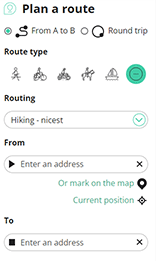
With RouteYou, it's easy to create your own customised maps. Simply plot your route, add waypoints or nodes, add places of interest and places to eat and drink, and then easily share it with your family and friends.
Route planner
<iframe src="https://plugin.routeyou.com/poiviewer/free/?language=en&params.poi.id=972629" width="100%" height="600" frameborder="0" allowfullscreen></iframe>

More than 11,800,000 routes

More than 15,000,000 users

More than 4,500,000 points of interest

Kerkstraat 108
9050 Gentbrugge, Belgium
© 2006-2026 RouteYou - www.routeyou.com