Datenquelle: Jan Rymenams
‘Poudingue’ is indeed related to pudding, specifically bread pudding. The rock here is named after it because of the numerous pebbles embedded within the stone, resembling raisins in bread pudding dough.
The Puddingstone is a sedimentary rock. When we think of sedimentary, we immediately assume that the rocks were deposited in a sea, but the poudingue of Malmedy is unique and formed under continental conditions, presumably in the Permian period, about 295 - 250 million years ago. The massif extends over a length of 22 km and a width of 2.6 km. The soil formed on this rock is fertile, which is probably the reason a monastery could be established here. However, the resistance of the poudingue to acidic water is low, so within the massif, caves and caverns form due to leaching. Near the cathedral, there is a large cave where hundreds of residents sought shelter during the bombings of December 1944.
Datenquelle: Jan Rymenams
 | | Öffentlich | Deutsch • Dänisch • Französisch • Italienisch • Niederländisch • Spanisch

Wählen Sie eine der beliebtesten Aktivitäten unten aus oder verfeinern Sie Ihre Suche.
Entdecken Sie die schönsten und beliebtesten Routen in der Gegend, sorgfältig gebündelt in einer passenden Auswahl.
Datenquelle: Jan Rymenams
Wählen Sie eine der unten aufgeführten beliebtesten Kategorien oder lassen Sie sich von unserer Auswahl inspirieren.
Entdecken Sie die schönsten und beliebtesten Sehenswürdigkeiten der Gegend, sorgfältig gebündelt in einer entsprechenden Auswahl.
Datenquelle: Jan Rymenams
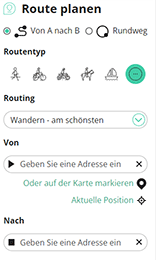
Mit RouteYou kannst du ganz einfach eigene Karten erstellen. Plane deine Route, füge Wegpunkte oder Knotenpunkte hinzu, plane Sehenswürdigkeiten und Einkehrmöglichkeiten ein und teile alles mit Familie und Freunden.
Routenplaner
<iframe src="https://plugin.routeyou.com/poiviewer/free/?language=de&params.poi.id=8193858&params.language=en" width="100%" height="600" frameborder="0" allowfullscreen></iframe>

Mehr als 11.800.000 Routen

Mehr als 15.000.000 Benutzer

Mehr als 4.500.000 Sehenswürdigkeiten

Kerkstraat 108
9050 Gentbrugge,Belgien
© 2006-2026 RouteYou - www.routeyou.com