In the continuity of the ancient know-how, the medieval gardens
medieval gardens are dedicated to nourish those who cultivate it. We find them outside fortresses, in monasteries, near houses. The capitulary De Villis written at the end of the 8th century already shows their importance. In this legislative act, Charlemagne issued recommendations, including a list of a hundred plants, shrubs and trees to be cultivated by the monks. Fruits and vegetables enriched the diet and supplemented the meals in case of grain shortages.
The different areas are clearly designated: the hortus or vegetable garden,
the herbularius or garden of the simple and the viridarium or orchard. The medieval garden is considered as an allegory of the heavenly Paradise
The gardens evolve on a double religious and utilitarian symbolism.
Font: CC Parthenay Gâtine
Drets d'autor: Creative Commons CC BY 2.0
 | | Pública | Alemany • Espanyol • Francès • Italià • Neerlandès
Direcció: Rue du Puits Saint-Jean, 79200 Parthenay
Estadístiques
Seleccioneu una de les activitats més populars a continuació o perfeccioneu la cerca.
Descobriu les rutes més boniques i conegudes de la zona, acuradament agrupades en seleccions adequades.
Seleccioneu una de les categories més populars a continuació o inspira't en les nostres seleccions.
Descobriu els llocs d'interès més bonics i coneguts de la zona, acuradament agrupats en seleccions adequades.
Amb RouteYou pots crear mapes personalitzats molt fàcilment. Defineix la teva ruta, afegeix waypoints o interseccions, planifica parades a punts d'interès o a establiments per menjar i beure i comparteix-ho tot amb els amics i la família.
Planificador de rutes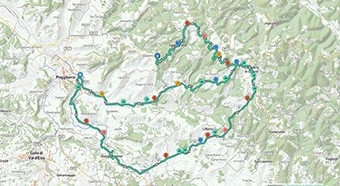
<iframe src="https://plugin.routeyou.com/poiviewer/free/?language=ca&params.poi.id=8782761&params.language=en" width="100%" height="600" frameborder="0" allowfullscreen></iframe>

Més de 11.800.000 rutes

Més de 15.000.000 usuaris

Més de 4.500.000 llocs d'interès

Kerkstraat 108
9050 Gentbrugge, Bèlgica
© 2006-2026 RouteYou - www.routeyou.com