The Pelasgic wall or Pelasgian fortress or Enneapylon was a monument supposed to have been built by the Pelasgians, after levelling the summit of the rock on the Acropolis of Athens. Thucydides and Aristophanes call it "Pelargikon", "Stork wall or place". "Pelargikon" refers to the line of walls at the western foot of the Acropolis. During the time of Thucydides, the wall was said to have stood several meters high with a large, visible fragment at 6 meters broad located on to the south of the present Propylaea and close to the earlier gateway. Today, the beveling can be seen but the foundation of the wall lies below the level of the present hill.
Datenquelle: Wikipedia.org
Urheberrechte: Creative Commons 3.0
 | | Öffentlich | Deutsch • Dänisch • Französisch • Italienisch • Niederländisch • Spanisch

Wählen Sie eine der beliebtesten Aktivitäten unten aus oder verfeinern Sie Ihre Suche.
Entdecken Sie die schönsten und beliebtesten Routen in der Gegend, sorgfältig gebündelt in einer passenden Auswahl.
Wählen Sie eine der unten aufgeführten beliebtesten Kategorien oder lassen Sie sich von unserer Auswahl inspirieren.
Entdecken Sie die schönsten und beliebtesten Sehenswürdigkeiten der Gegend, sorgfältig gebündelt in einer entsprechenden Auswahl.
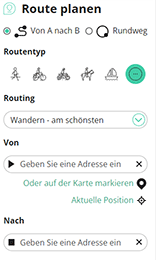
Mit RouteYou kannst du ganz einfach eigene Karten erstellen. Plane deine Route, füge Wegpunkte oder Knotenpunkte hinzu, plane Sehenswürdigkeiten und Einkehrmöglichkeiten ein und teile alles mit Familie und Freunden.
Routenplaner
<iframe src="https://plugin.routeyou.com/poiviewer/free/?language=de&params.poi.id=5776105&params.language=en" width="100%" height="600" frameborder="0" allowfullscreen></iframe>

Mehr als 10.100.000 Routen

Mehr als 15.000.000 Benutzer

Mehr als 4.500.000 Sehenswürdigkeiten

Kerkstraat 108
9050 Gentbrugge,Belgien
Kontaktieren Sie unser Kundendienstteam oder besuchen Sie unser Hilfezentrum.
© 2006-2026 RouteYou - www.routeyou.com