Datenquelle: Willem Vandenameele
La fuente fue construida probablemente a finales del siglo XIX o principios del XX .
El grupo escultórico que compone esta fuente monumental es una copia en hierro fundido del famoso monumento funerario para el corazón de Enrique II obra de los escultores Germain Pilon (el grupo escultórico propiamente dicho) y Dominique Florentin (el pedestal), que debía ser colocado en la iglesia del Monasterio de los Célestins en París y acabó en el Museo del Louvre durante la Restauración.
El simbolismo de las Tres Gracias se remonta a la mitología . El poeta Hesíodo describe tres diosas: Aglaia (que representa el esplendor), Eufrosina (la alegría) y Talía (la abundancia). Juntas representan un ideal de belleza.
Datenquelle: Willem Vandenameele
 | | Öffentlich | Deutsch • Dänisch • Englisch • Französisch • Italienisch • Katalanisch • Niederländisch

Wählen Sie eine der beliebtesten Aktivitäten unten aus oder verfeinern Sie Ihre Suche.
Entdecken Sie die schönsten und beliebtesten Routen in der Gegend, sorgfältig gebündelt in einer passenden Auswahl.
Datenquelle: Willem Vandenameele
Wählen Sie eine der unten aufgeführten beliebtesten Kategorien oder lassen Sie sich von unserer Auswahl inspirieren.
Entdecken Sie die schönsten und beliebtesten Sehenswürdigkeiten der Gegend, sorgfältig gebündelt in einer entsprechenden Auswahl.
Datenquelle: Willem Vandenameele
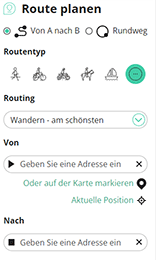
Mit RouteYou kannst du ganz einfach eigene Karten erstellen. Plane deine Route, füge Wegpunkte oder Knotenpunkte hinzu, plane Sehenswürdigkeiten und Einkehrmöglichkeiten ein und teile alles mit Familie und Freunden.
Routenplaner
<iframe src="https://plugin.routeyou.com/poiviewer/free/?language=de&params.poi.id=9000039&params.language=es" width="100%" height="600" frameborder="0" allowfullscreen></iframe>

Mehr als 11.800.000 Routen

Mehr als 15.000.000 Benutzer

Mehr als 4.500.000 Sehenswürdigkeiten

Kerkstraat 108
9050 Gentbrugge,Belgien
© 2006-2026 RouteYou - www.routeyou.com