Il mulino era originariamente un mulino a doppio uso che fungeva da mulino per la corteccia e mulino per l'olio da un lato, e da mulino per cereali dall'altro. Nel mulino per cereali venivano principalmente macinati grano saraceno e segale. Nel 1926 il mulino per olio/corteccia fu abbattuto. Successivamente è stata condotta un'analisi dendrocronologica dei pali di fondazione, da cui è emerso che risalivano all'inizio dell'VIII secolo, il che ha dimostrato che il sito del mulino era uno dei più antichi del Belgio.
Font: Wikipedia.org
Drets d'autor: Creative Commons 3.0
 | | Pública | Alemany • Anglès • Danès • Espanyol • Francès • Neerlandès
Direcció: Limburg, Bèlgica
Estadístiques
Seleccioneu una de les activitats més populars a continuació o perfeccioneu la cerca.
Descobriu les rutes més boniques i conegudes de la zona, acuradament agrupades en seleccions adequades.
Font: Schlusmans, Frieda
Drets d'autor: Creative Commons CC BY 4.0
Seleccioneu una de les categories més populars a continuació o inspira't en les nostres seleccions.
Descobriu els llocs d'interès més bonics i coneguts de la zona, acuradament agrupats en seleccions adequades.
Font: Schlusmans, Frieda
Drets d'autor: Creative Commons CC BY 4.0
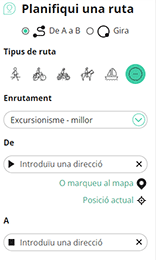
Amb RouteYou pots crear mapes personalitzats molt fàcilment. Defineix la teva ruta, afegeix waypoints o interseccions, planifica parades a punts d'interès o a establiments per menjar i beure i comparteix-ho tot amb els amics i la família.
Planificador de rutes
<iframe src="https://plugin.routeyou.com/poiviewer/free/?language=ca&params.poi.id=1677629&params.language=it" width="100%" height="600" frameborder="0" allowfullscreen></iframe>

Més de 11.800.000 rutes

Més de 15.000.000 usuaris

Més de 4.500.000 llocs d'interès

Kerkstraat 108
9050 Gentbrugge, Bèlgica
© 2006-2026 RouteYou - www.routeyou.com