The museum displays four by John Harrison developed marine chronometers. These were used to calculate the longitude while travelling over the sea. Comparing the local time with the time on the chronometer with the time from 'home' or a reference point, allowed the travellers to calcaulted the longitude on Earth.
Until 1760, there were no accurate clocks who could travel over sea. In 1707, a large part of the English fleet had been wrecked on a reef. This triggered the Admiralty. They promissed a reward of £ 20,000 for a more reliable chronometer. In 1736, the unknown watchmaker John Harrison created Timekeeper No. 1. The clock was about one meter high and weighed 36 kg. The Admiralty found the monster too big and clumsy. So the brilliant Harrison built in 1760 a new one.
Eleven years later the chronometer was proven at sea and Harrison received the promised £ 20,000.
 | | Pública | Alemany • Francès • Neerlandès
Direcció: Greenwich, Regne Unit
Estadístiques
Seleccioneu una de les activitats més populars a continuació o perfeccioneu la cerca.
Descobriu les rutes més boniques i conegudes de la zona, acuradament agrupades en seleccions adequades.
Font: A.B. Clayton
Seleccioneu una de les categories més populars a continuació o inspira't en les nostres seleccions.
Descobriu els llocs d'interès més bonics i coneguts de la zona, acuradament agrupats en seleccions adequades.
Font: A.B. Clayton
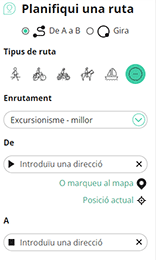
Amb RouteYou pots crear mapes personalitzats molt fàcilment. Defineix la teva ruta, afegeix waypoints o interseccions, planifica parades a punts d'interès o a establiments per menjar i beure i comparteix-ho tot amb els amics i la família.
Planificador de rutes
<iframe src="https://plugin.routeyou.com/poiviewer/free/?language=ca&params.poi.id=669956&params.language=en" width="100%" height="600" frameborder="0" allowfullscreen></iframe>

Més de 10.100.000 rutes

Més de 15.000.000 usuaris

Més de 4.500.000 llocs d'interès

Kerkstraat 108
9050 Gentbrugge, Bèlgica
Contacteu amb el nostre equip d'atenció al client o visiteu el nostre centre d'ajuda.
© 2006-2025 RouteYou - www.routeyou.com