Two buildings dominate the Sint-Veerleplein: the Gravensteen and the entrance to the Vismijn. Various other old buildings (one from 1737) adorn the Sint-Veerleplein. Almost all of them are restaurants and cafés.
Through the purchase of land by the Count, the aldermen were able to expand the city from 80 to 644 hectares in the 13th century. As a result, the count's courtyard of the Gravensteen became part of the urban area of the aldermanry.
The canals around and along the Sint-Veerleplein and the Geldmunt silted up, leading many townspeople to build their houses. Until around 1900, the entire count's castle was enclosed within the buildings.
The name of this square refers to the former Sint-Veerlekerk. Nothing remains of the church at all, but you can still see Veerle. There is a small gate with a statue of the saint on the right when you face the Gravensteen.
The story goes that the kitchen gardens and grain harvests were often destroyed by geese. This continued until Veerle built a hut on the edge of the town with a little garden around it. Through her care and patience, the geese eventually stopped leaving the yard. They even became very good guards when danger threatened. But one night, a guy came to steal a goose, cut the animal's throat and cooked himself a meal. As soon as Veerle discovered that a goose was missing, she went to the city in search of remains. She found a leg, a wing... and eventually gathered the entire skeleton together. She wept and prayed to our Lord that the goose would come back to life. She eventually fell asleep, and what did she discover upon waking? Yes, the goose was alive again. A miracle, enough to make our good Veerle a Saint Veerle. Since then, no one dared to touch her geese.
In the middle of this square stands a lion that reminds us of the World Expo of 1913. The monument was erected in honor of the organizers.
In exactly the same place, there used to be a brick oven with a very specific purpose. In the past, counterfeiters were punished on the Veerleplein. A large cooking pot filled with water or possibly oil was placed on the brick oven, which was then brought to a boil. The counterfeiter would be adorned with the coins he had made himself and would be thrown into the boiling pot without mercy...
 | | Öffentlich | Deutsch • Dänisch • Französisch • Italienisch • Niederländisch • Spanisch
Adresse: Gent, Oost-Vlaanderen, Belgien
Statistiken
Wählen Sie eine der beliebtesten Aktivitäten unten aus oder verfeinern Sie Ihre Suche.
Entdecken Sie die schönsten und beliebtesten Routen in der Gegend, sorgfältig gebündelt in einer passenden Auswahl.
Datenquelle: Mith
Urheberrechte: Creative Commons CC BY-SA 3.0
Wählen Sie eine der unten aufgeführten beliebtesten Kategorien oder lassen Sie sich von unserer Auswahl inspirieren.
Entdecken Sie die schönsten und beliebtesten Sehenswürdigkeiten der Gegend, sorgfältig gebündelt in einer entsprechenden Auswahl.
Datenquelle: Mith
Urheberrechte: Creative Commons CC BY-SA 3.0
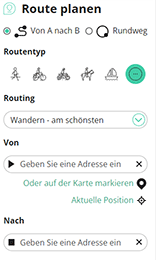
Mit RouteYou kannst du ganz einfach eigene Karten erstellen. Plane deine Route, füge Wegpunkte oder Knotenpunkte hinzu, plane Sehenswürdigkeiten und Einkehrmöglichkeiten ein und teile alles mit Familie und Freunden.
Routenplaner
<iframe src="https://plugin.routeyou.com/poiviewer/free/?language=de&params.poi.id=711461&params.language=en" width="100%" height="600" frameborder="0" allowfullscreen></iframe>

Mehr als 10.100.000 Routen

Mehr als 15.000.000 Benutzer

Mehr als 4.500.000 Sehenswürdigkeiten

Kerkstraat 108
9050 Gentbrugge,Belgien
Kontaktieren Sie unser Kundendienstteam oder besuchen Sie unser Hilfezentrum.
© 2006-2026 RouteYou - www.routeyou.com