The museum displays four by John Harrison developed marine chronometers. These were used to calculate the longitude while travelling over the sea. Comparing the local time with the time on the chronometer with the time from 'home' or a reference point, allowed the travellers to calcaulted the longitude on Earth.
Until 1760, there were no accurate clocks who could travel over sea. In 1707, a large part of the English fleet had been wrecked on a reef. This triggered the Admiralty. They promissed a reward of £ 20,000 for a more reliable chronometer. In 1736, the unknown watchmaker John Harrison created Timekeeper No. 1. The clock was about one meter high and weighed 36 kg. The Admiralty found the monster too big and clumsy. So the brilliant Harrison built in 1760 a new one.
Eleven years later the chronometer was proven at sea and Harrison received the promised £ 20,000.
Indirizzo: Greenwich, Regno Unito
Statistiche
Seleziona una delle attività più popolari qui sotto oppure affina la ricerca.
Scopri gli itinerari più belli e popolari della zona, accuratamente raggruppati in apposite selezioni.
Risorsa: A.B. Clayton
Seleziona una delle categorie più popolari qui sotto o lasciati ispirare dalla nostra selezione.
Scopri i luoghi di interesse più belli e popolari della zona, accuratamente raggruppati in apposite selezioni.
Risorsa: A.B. Clayton
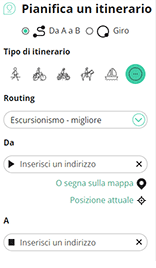
Con RouteYou puoi creare facilmente mappe personalizzate. Traccia il tuo itinerario, aggiungi waypoint o nodi, luoghi di interesse e di ristoro, e condividi le mappe con la tua famiglia e i tuoi amici.
Pianificatore di itinerari
<iframe src="https://plugin.routeyou.com/poiviewer/free/?language=it&params.poi.id=669956&params.language=en" width="100%" height="600" frameborder="0" allowfullscreen></iframe>

Più di 10.100.000 itinerari

Più di 15.000.000 utenti

Più di 4.500.000 luoghi d'interesse

Kerkstraat 108
9050 Gentbrugge, Belgio
Contatta il nostro team di assistenza clienti o visita il nostro centro assistenza.
© 2006-2025 RouteYou - www.routeyou.com


 | | Pubblica |