Along this path, coppice management has been practiced for centuries. Young trees were cut just above the ground. From the remaining stump (stool), young shoots emerge, which form new trunks. This work was repeated on average every 7 years. The coppice was used for firewood and utility wood. Hazel, hornbeam, and sweet chestnut are well-suited for coppice management, and you can find these tree species here.
This form of forest management temporarily creates open spaces in the forest. The herb layer receives more light after the trees are cut and develops lushly. The rich spring flora of the Raspaillebos is a result of this age-old tradition.
 | | Public | Danish • Dutch • French • German • Italian • Spanish

Select one of the most popular activities below or refine your search.
Discover the most beautiful and popular trails in the area, carefully bundled into appropriate selections.
Select one of the most popular categories below or be inspired by our selections.
Discover the most beautiful and popular attractions in the area, carefully bundled in appropriate selections.
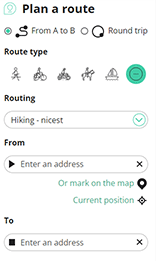
With RouteYou, it's easy to create your own customised maps. Simply plot your route, add waypoints or nodes, add places of interest and places to eat and drink, and then easily share it with your family and friends.
Route planner
<iframe src="https://plugin.routeyou.com/poiviewer/free/?language=en&params.poi.id=1409055" width="100%" height="600" frameborder="0" allowfullscreen></iframe>

More than 10,100,000 routes

More than 15,000,000 users

More than 4,500,000 points of interest

Kerkstraat 108
9050 Gentbrugge, Belgium
© 2006-2026 RouteYou - www.routeyou.com