Source: Jan Rymenams


This monumental water pump dates back to 1710. It was an initial step to provide clean drinking water. However, in the 19th century, things went wrong when cholera spread invisibly through contaminated water from public water pumps. The disease had entered our country via the Antwerp harbor in October 1848 and reached Aarschot in 1849. In the city, 117 residents died, an excess mortality of about 30 individuals. The Aarschot bourgeoisie, who lived in better conditions, had clearly been spared.
In 1866 and 1867, the 'blue disease' once again swept through the city. In August 1867 alone, 47 people died. No fair was held, but the Saint Rochus celebration was revitalized. It still attracts tens of thousands of spectators every year on the eve of the harvest.
Even in normal times, child mortality was high. In 1912, there were 126 deaths, including 93 boys and girls under the age of 15. Eleven children were stillborn and 23 babies did not even survive their first year.
Pure drinking water would remain a problem for a long time. Even the Demer water was still used for human consumption. In the decades leading up to World War I, the local medical committee warned with posters about a potential health hazard of the pump water and recommended boiling the water during certain periods.
The cities of Diest and Tienen in Hageland had already paid attention to improving the drinking water supply in the late 19th century. In 1919, in the context of reconstruction, Mayor Coomans contacted the National Society for Water Supply, which was established in 1913 to support municipalities in providing drinking water. Disagreements within the city council and financial difficulties hindered the swift implementation of the plans, and it was only in October 1931 that a part of the water supply network was put into use. However, the high iron content in the water made it unpleasant to consume. This issue had to be resolved, leading to the official inauguration being postponed until September 18, 1932.
An interesting detail about the hygienic measures taken by the city is Article 242 of the city regulation: innkeepers are required to install 'urinals' because “where there is none, consumers are obliged to relieve themselves on the ground, and in summer this creates a stench, and in winter it is a real ice rink.”
Source: Jan Rymenams
 | | Public | Danish • Dutch • French • German • Italian • Spanish

Select one of the most popular activities below or refine your search.
Discover the most beautiful and popular trails in the area, carefully bundled into appropriate selections.
Source: Jan Rymenams
Select one of the most popular categories below or be inspired by our selections.
Discover the most beautiful and popular attractions in the area, carefully bundled in appropriate selections.
Source: Jan Rymenams
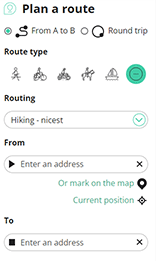
With RouteYou, it's easy to create your own customised maps. Simply plot your route, add waypoints or nodes, add places of interest and places to eat and drink, and then easily share it with your family and friends.
Route planner
<iframe src="https://plugin.routeyou.com/poiviewer/free/?language=en&params.poi.id=8287011" width="100%" height="600" frameborder="0" allowfullscreen></iframe>

More than 11,800,000 routes

More than 15,000,000 users

More than 4,500,000 points of interest

Kerkstraat 108
9050 Gentbrugge, Belgium
© 2006-2026 RouteYou - www.routeyou.com