In 1623, the Zwarte Polder was constructed. This polder flooded in 1802. The area owes its name, Verdronken Zwarte Polder, to this event. The land that was lost has never been fully reclaimed since. The inflowing and outflowing seawater created channels in the former fields and deposited clay and silt. A high marsh has emerged here. Windblown sand has formed dunes that border the area on the seaward side. Recently, the sluice channel was deepened, and with the sand that was released, new dunes have been created in the more westerly newly designated nature area, the Herdijkte Zwarte Polder. The area has been developed as part of nature conservation efforts.
Source: https://nl.wikipedia.org/wi...
 | | Public | Danish • Dutch • French • German • Italian • Spanish

Select one of the most popular activities below or refine your search.
Discover the most beautiful and popular trails in the area, carefully bundled into appropriate selections.
Source: Nijeholt
Copyright: Creative Commons CC BY-SA 3.0
Select one of the most popular categories below or be inspired by our selections.
Discover the most beautiful and popular attractions in the area, carefully bundled in appropriate selections.
Source: Nijeholt
Copyright: Creative Commons CC BY-SA 3.0
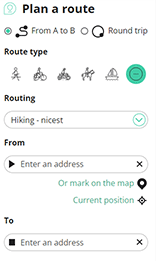
With RouteYou, it's easy to create your own customised maps. Simply plot your route, add waypoints or nodes, add places of interest and places to eat and drink, and then easily share it with your family and friends.
Route planner
<iframe src="https://plugin.routeyou.com/poiviewer/free/?language=en&params.poi.id=8435595" width="100%" height="600" frameborder="0" allowfullscreen></iframe>

More than 10,100,000 routes

More than 15,000,000 users

More than 4,500,000 points of interest

Kerkstraat 108
9050 Gentbrugge, Belgium
© 2006-2026 RouteYou - www.routeyou.com