Este lavadero de piedra caliza data de 1729 o hacia 1825 , según la fuente. El edificio fue construido probablemente en el siglo XIX, está situado bajo la calle y tiene un gran tejado de pizarra.
A la zona de lavado se accede a través de dos tramos de escaleras y está delimitada por el borde saliente del tubo central alimentado por Eau Blanche.
No se trata de zonas de lavado tradicionales con varios lavabos para enjabonar y aclarar. Esto parece haber ocurrido en la "alcantarilla abierta".
Los lavaderos se generalizaron a partir del siglo XVIII, cuando surgió la necesidad de lavar la ropa más de dos veces al año debido a mayores exigencias higiénico-sanitarias .
Datenquelle: Willem Vandenameele
 | | Öffentlich | Deutsch • Dänisch • Englisch • Französisch • Italienisch • Katalanisch • Niederländisch

Wählen Sie eine der beliebtesten Aktivitäten unten aus oder verfeinern Sie Ihre Suche.
Entdecken Sie die schönsten und beliebtesten Routen in der Gegend, sorgfältig gebündelt in einer passenden Auswahl.
Datenquelle: Facebook
Wählen Sie eine der unten aufgeführten beliebtesten Kategorien oder lassen Sie sich von unserer Auswahl inspirieren.
Entdecken Sie die schönsten und beliebtesten Sehenswürdigkeiten der Gegend, sorgfältig gebündelt in einer entsprechenden Auswahl.
Datenquelle: Facebook
Mit RouteYou kannst du ganz einfach eigene Karten erstellen. Plane deine Route, füge Wegpunkte oder Knotenpunkte hinzu, plane Sehenswürdigkeiten und Einkehrmöglichkeiten ein und teile alles mit Familie und Freunden.
Routenplaner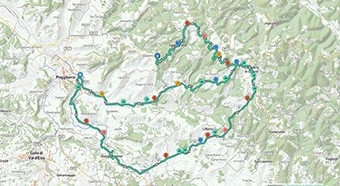
<iframe src="https://plugin.routeyou.com/poiviewer/free/?language=de&params.poi.id=8741272&params.language=es" width="100%" height="600" frameborder="0" allowfullscreen></iframe>

Mehr als 11.800.000 Routen

Mehr als 15.000.000 Benutzer

Mehr als 4.500.000 Sehenswürdigkeiten

Kerkstraat 108
9050 Gentbrugge,Belgien
© 2006-2026 RouteYou - www.routeyou.com