In the second half of the 19th century, industrialization and a population explosion made Ghent city centre overpopulated, unhygienic and unhealthy. This neighbourhood alone was home to some 3,000 textile workers. Working-class
areas were rife with diseases like cholera, typhus and smallpox. The city council stepped in. Polluted canals and waterways were vaulted over or filled in. Stinking factories and squalid tenements known as ‘beluikhuisjes’ made way for
wide avenues and elegant mansions. The bourgeoisie took over the city. After this wave of redevelopment, many working-class people settled near the new factories in the north, east and west of the city.
On this site a new boulevard was constructed, connecting the Zuidstation and the city centre.
Source: Museum of Industry
 | | Public | Danish • Dutch • French • German • Italian • Spanish

Select one of the most popular activities below or refine your search.
Discover the most beautiful and popular trails in the area, carefully bundled into appropriate selections.
Source: Michielverbeek
Copyright: Creative Commons 4.0
Select one of the most popular categories below or be inspired by our selections.
Discover the most beautiful and popular attractions in the area, carefully bundled in appropriate selections.
Source: Michielverbeek
Copyright: Creative Commons 4.0
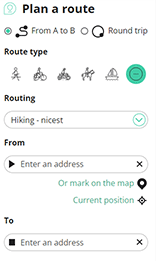
With RouteYou, it's easy to create your own customised maps. Simply plot your route, add waypoints or nodes, add places of interest and places to eat and drink, and then easily share it with your family and friends.
Route planner
<iframe src="https://plugin.routeyou.com/poiviewer/free/?language=en&params.poi.id=8191724" width="100%" height="600" frameborder="0" allowfullscreen></iframe>

More than 10,100,000 routes

More than 15,000,000 users

More than 4,500,000 points of interest

Kerkstraat 108
9050 Gentbrugge, Belgium
© 2006-2026 RouteYou - www.routeyou.com