Conjunto de diversas edificaciones que contienen la parte antigua del molino original y las ampliaciones de siglos posteriores. El molino es uno de los que está en mejor estado de todos los que estaban accionados por agua en esta zona. Generalmente se utiliza para moler trigo.
El origen del molino de Constantí data de finales del siglo xiv, ha sufrido, sin embargo, ampliaciones diversas a lo largo del tiempo. Fue propiedad del arzobispado hasta 1688, a partir de esta época llamó a ser propiedad de la villa de Constantí, con diferentes arrendatarios. A finales del siglo xix el edificio se ensanchó por el lado norte y se ubicó un molino de aceite, que más tarde servirá para triturar azufre, en lugar de usar energía hidráulica se usan mulas para mover el molino.
Fuente: Wikipedia.org
Derechos de autor: Creative Commons 3.0
 Azure
Azure | | Pública | Alemán • Catalán • Danés • Francés • Inglés • Italiano • Neerlandés

Selecciona una de las actividades más populares a continuación o afina tu búsqueda
Descubre las rutas más bonitas y populares de la zona, cuidadosamente agrupadas y seleccionadas.
Fuente: Amadalvarez
Derechos de autor: Creative Commons CC BY-SA 4.0
Selecciona una de las categorías más populares a continuación o inspírate en nuestras selecciones
Descubre los lugares de interés más bonitos y populares de la zona, cuidadosamente agrupados y selecciondos.
Fuente: Amadalvarez
Derechos de autor: Creative Commons CC BY-SA 4.0
Con RouteYou, es fácil crear tus propios mapas personalizados. Simplemente traza tu ruta, agrega puntos de ruta o nodos, agrega lugares de interés, lugares para comer y beber, y luego compártelo fácilmente con tu familia y amigos.
Planificador de rutas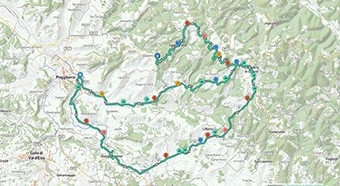
<iframe src="https://plugin.routeyou.com/poiviewer/free/?language=es&params.poi.id=5854431" width="100%" height="600" frameborder="0" allowfullscreen></iframe>

Más de 11.800.000 rutas

Más de 15.000.000 usuarios

Más de 4.500.000 lugares de interés

Kerkstraat 108
9050 Gentbrugge, Bélgica
© 2006-2026 RouteYou - www.routeyou.com