After the peat was excavated, poor sandy soil was revealed. This could be cultivated into (in terms of structure) good agricultural land if mixed with the top layer of peat, the bonkaarde or bolster. As fuel, this layer was unsuitable, so it was set aside and later mixed with the sand. The mixture is known as peat colonial soil. The term 'valley soil' is also commonly used, but strictly speaking, this refers to the released sandy subsoil.
Fertilization of the soil often took place until the early 20th century with city manure (waste from the large cities). Farmers in the peat colonies also kept livestock for the necessary fertilizer supply for a long time. With the introduction of synthetic fertilizers at the end of the 19th century, mixed farming disappeared. In the peat colonial areas of Groningen and Drenthe, the cultivation of industrial potatoes became especially important. In the Frisian peat colonies, the emphasis was placed on livestock farming.
 | | Public | Danish • Dutch • French • German • Italian • Spanish

Select one of the most popular activities below or refine your search.
Discover the most beautiful and popular trails in the area, carefully bundled into appropriate selections.
Select one of the most popular categories below or be inspired by our selections.
Discover the most beautiful and popular attractions in the area, carefully bundled in appropriate selections.
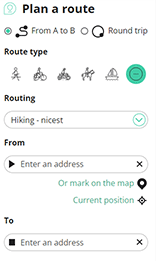
With RouteYou, it's easy to create your own customised maps. Simply plot your route, add waypoints or nodes, add places of interest and places to eat and drink, and then easily share it with your family and friends.
Route planner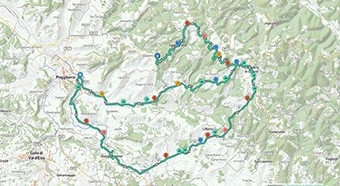
<iframe src="https://plugin.routeyou.com/poiviewer/free/?language=en&params.poi.id=5321725" width="100%" height="600" frameborder="0" allowfullscreen></iframe>

More than 11,800,000 routes

More than 15,000,000 users

More than 4,500,000 points of interest

Kerkstraat 108
9050 Gentbrugge, Belgium
© 2006-2026 RouteYou - www.routeyou.com